Trusted Support Comes From A Professional Real Estate Agent

Business

A property journey becomes more comfortable when clients have dependable professional support at every stage. A skilled real estate agent brings knowledge, organization, communication, and thoughtful guidance to each transaction. From understanding individual goals to coordinating important details, professional assistance helps clients feel informed and confident. The right guidance also creates a smoother experience by keeping priorities clear and making each step easier to understand.

Understanding Client Property Goals

Professional support begins with listening carefully to what clients want from their property journey. An attentive agent considers preferences, priorities, and expectations before suggesting suitable opportunities or strategies.

  • Listens carefully to client requirements
  • Understands individual property preferences
  • Clarifies important transaction expectations
  • Builds personalized property strategies
  • Keeps client goals at the center

Providing Valuable Property Guidance

Real estate decisions often involve many details, making knowledgeable guidance especially valuable. A professional agent explains relevant information clearly and helps clients evaluate options according to their unique objectives.

  • Explains property features clearly
  • Shares useful market insights
  • Helps compare suitable opportunities
  • Clarifies important considerations
  • Encourages informed decision making

Maintaining Clear Communication

Consistent communication creates trust throughout the property process. A dependable agent keeps clients updated, answers questions promptly, and ensures important information remains easy to understand from beginning to completion.

  • Provides regular progress updates
  • Responds to client questions
  • Explains developments in simple language
  • Coordinates important conversations
  • Keeps expectations clearly aligned

Supporting Effective Property Searches

Finding a suitable property becomes more efficient when professional knowledge guides the search. An experienced Makelaar Hoorn can help organize priorities and identify opportunities that closely match a client’s requirements.

  • Reviews suitable property choices
  • Considers preferred property characteristics
  • Helps narrow search priorities
  • Highlights valuable features
  • Makes property selection more focused

Offering Reliable Negotiation Assistance

Negotiation requires preparation, communication, and a clear understanding of client objectives. A professional agent supports constructive discussions while helping clients approach each stage with confidence and practical expectations.

  • Prepares clients for discussions
  • Communicates proposals professionally
  • Keeps negotiations focused
  • Supports mutually beneficial outcomes
  • Respects client priorities

Managing Important Transaction Details

Property transactions involve documents, schedules, confirmations, and other essential details. Careful organization helps keep these responsibilities manageable while supporting steady progress toward a successful conclusion.

  • Tracks essential transaction requirements
  • Reviews important documentation
  • Coordinates necessary appointments
  • Encourages timely completion
  • Maintains organized transaction information

Creating Long Term Confidence

Professional real estate support can provide value beyond a single transaction. By offering dependable communication and thoughtful guidance, an agent can build lasting relationships based on confidence, respect, and positive experiences.

  • Provides dependable ongoing assistance
  • Builds professional relationships
  • Understands changing client needs
  • Encourages future property confidence
  • Creates positive service experiences

A professional real estate agent makes property journeys easier through knowledge, organization, communication, and personalized attention. With trusted guidance available throughout the process, clients can approach important decisions with greater clarity and confidence. From the first conversation to successful completion, dependable support helps create an efficient, comfortable, and rewarding property experience.

Building a Pool in Byron Bay: Coastal Considerations Every Homeowner Should Know

Business

Once the decision to build a pool is made, the next question is less about lifestyle and more about logistics. Byron Bay’s coastal setting brings a set of practical factors that don’t come up in the same way on a standard suburban block further inland. Soil conditions, salt air, established trees, and site access can all shape a build in ways homeowners don’t always anticipate until they’re deep into planning. Understanding these factors early makes for a far smoother process once construction actually begins.

Building in a Coastal Environment Is Different

Byron Bay plunge pools often need to be planned around site conditions that don’t come up as often on larger, more standard suburban blocks. A coastal site brings its own combination of soil type, climate exposure, and often tighter, more heavily vegetated blocks, all of which influence decisions that might otherwise be straightforward elsewhere. Recognising this early, rather than assuming a build here will follow exactly the same process as a typical inland project, sets more realistic expectations from the outset.

Soil and Site Conditions

Coastal soil can vary considerably from one block to the next, and sandy or loose soil types common in parts of the region can affect how excavation and footings are approached. This doesn’t mean a pool can’t be built, it simply means the ground itself needs to be properly assessed before design decisions are locked in, since soil conditions can influence both the construction method and, in some cases, the overall cost. A site assessment early in the process, rather than after a design has already been finalised, helps avoid surprises once digging actually begins.

Sun, Wind, and Salt Exposure

Constant sun, salt laden air, and coastal wind all place extra demands on materials that wouldn’t face the same conditions further from the coast. Fittings, fencing, and finishes chosen for a Byron Bay pool need to hold up to this environment specifically, since materials that perform perfectly well inland can corrode or deteriorate faster in a coastal setting. Wind also plays a role in where a pool is best positioned. A plunge pool placed without much thought to prevailing wind can end up far less pleasant to use than one positioned with some natural or built in shelter, whether that’s existing vegetation, a fence line, or the layout of the house itself.

Site Access and Vegetation

Many Byron Bay properties come with established trees, leafy surrounds, and tighter access than a typical new-build suburban block. This character is part of what makes the area appealing, but it also adds genuine complexity to a pool build. Equipment access for excavation needs to be planned around existing trees and landscaping, and where mature trees are close to the proposed pool site, root protection becomes a real consideration, both to protect the tree and to avoid future issues with roots affecting the pool’s structure. Working through these access and vegetation constraints early, ideally before a design is finalised, avoids the disappointment of falling in love with a plan that the site’s access simply can’t support.

Council and Environmental Considerations

Coastal properties can be subject to additional planning considerations beyond what applies to a standard inland block, including environmental overlays or tree protection requirements that vary depending on the specific site and its location. These considerations are worth raising directly with a builder or the relevant council early in the process, since they can affect what’s possible on a given block and how long approvals might take. This is general guidance rather than a substitute for checking the specific requirements that apply to an individual property.

Questions to Raise With a Builder

Given these coastal specific factors, it’s worth raising a few pointed questions when discussing a build. Has the site’s soil been properly assessed, and does that affect the excavation approach or cost. What materials and fittings are being proposed, and are they suited to salt air and coastal wind exposure specifically. How will equipment access work given the block’s trees and layout, and what protection will be in place for any established vegetation nearby. And are there any environmental or planning considerations specific to this property that need to be factored into the timeline.

Raising these questions early tends to result in a smoother build and a pool that’s genuinely suited to the realities of building on the coast, rather than a design that looks straightforward on paper but runs into avoidable complications once work actually begins.

Understanding Can Seamer Machine Performance And Capabilities

Business

A can seamer machine plays an important role in achieving dependable container closure and consistent packaging quality. Its performance depends on coordinated sealing components, suitable tooling, controlled pressure, and steady operation. Understanding these capabilities helps production teams select and use equipment effectively while supporting smooth workflows and attractive finished products. Modern can seamers can support different production requirements while delivering repeatable sealing results, efficient operation, and convenient handling.

Sealing Performance

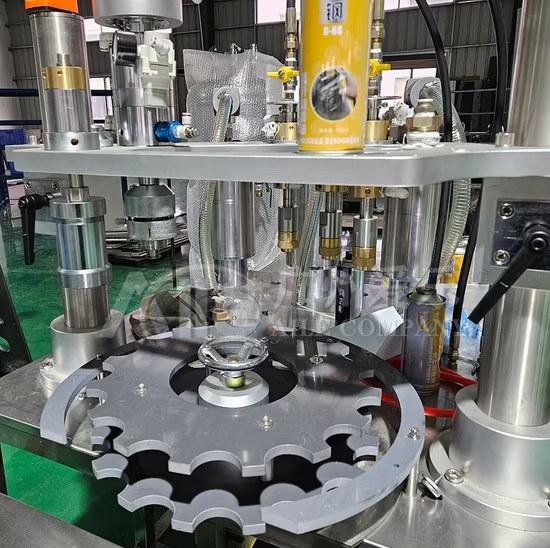
A capable machine forms a secure seam by coordinating the chuck, turntable, and seaming rollers. Consistent movement helps maintain uniform closure across repeated cycles.

  • Produces reliable and even seams
  • Supports stable lid placement
  • Maintains controlled pressure during sealing
  • Helps create clean, professional package finishes

Production Speed And Output

Performance is also measured by how efficiently a machine handles continuous production. Automatic configurations can support faster cycles while reducing repetitive manual work.

  • Enables steady production flow
  • Supports higher output requirements
  • Reduces unnecessary handling between stages
  • Helps maintain consistent cycle timing
  • Works smoothly with organized filling and conveying processes

Container Compatibility

Seamer Machine

Can seamer capabilities are closely connected with container dimensions and lid specifications. Properly matched tooling helps the machine deliver dependable results across intended formats.

  • Accommodates suitable can diameters
  • Supports different container heights
  • Uses compatible chucks and seaming rolls
  • Allows practical format changes
  • Helps maintain repeatable sealing geometry

For a broader understanding of machine functions and operating principles, https://www.levapack.com/guide-to-can-seamer-machines/ can provide useful background when evaluating can seaming capabilities.

Automation And Ease Of Operation

Automation can make daily production more convenient by coordinating repetitive sealing actions with greater consistency. User-friendly operation also supports efficient workflows.

  • Simplifies routine sealing cycles
  • Reduces dependence on repetitive manual actions
  • Supports smooth material movement
  • Helps operators maintain organized production
  • Encourages consistent machine usage

Precision And Quality

Precision is essential for dependable seam formation. Well-adjusted components work together to create uniform results and support packaging integrity.

  • Maintains accurate roller positioning
  • Encourages consistent seam dimensions
  • Supports dependable closure quality
  • Helps minimize variation between containers
  • Promotes attractive finished packaging

Maintenance And Long Term Capability

Regular care allows a can seamer to maintain strong performance over time. Accessible components and straightforward servicing can make routine maintenance more manageable.

  • Supports dependable daily operation
  • Helps preserve sealing accuracy
  • Encourages timely inspection of working parts
  • Makes routine cleaning easier
  • Supports longer equipment service life

Choosing Performance Features

Understanding production needs makes it easier to identify useful capabilities. A suitable machine should align with expected output, container formats, operating preferences, and desired automation level.

  • Match output capacity with production goals
  • Consider container size flexibility
  • Review changeover convenience
  • Evaluate operator-friendly controls
  • Prioritize consistent sealing performance
  • Consider maintenance accessibility

Supporting Efficient Packaging

A well-matched can seamer can contribute to smoother operations, dependable closure quality, and efficient production. By evaluating speed, precision, compatibility, automation, and maintenance together, production teams can make informed equipment choices that support consistent packaging results and sustainable workflow improvements.