
In the era of Industry 4.0, predictive maintenance is transforming how automated systems operate. Understanding the solid state relay (SSR) symbol plays a pivotal role in this transformation. By interpreting these symbols accurately, engineers and technicians can anticipate system issues before they escalate, ensuring smoother operations and longer equipment life.
Understanding Solid State Relay Symbols
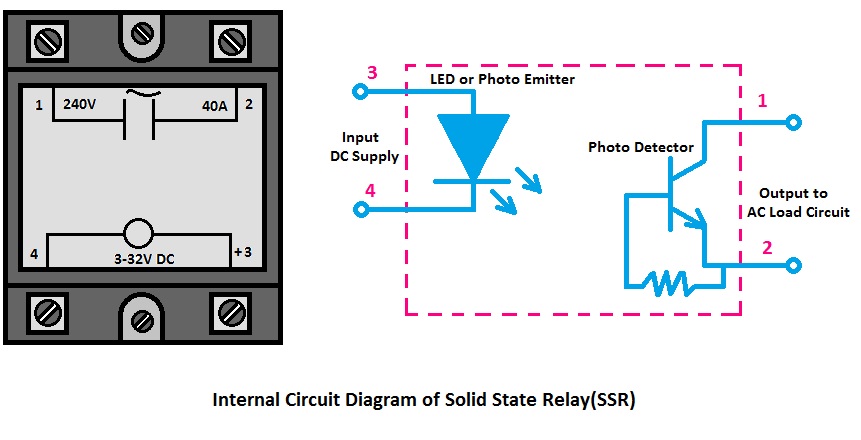
- Basic Symbol Components: The SSR symbol typically consists of input control terminals, output load terminals, and sometimes an opto-isolator representation. Recognizing these elements allows technicians to quickly identify the relay’s function in a circuit.
- Control Signal Interpretation: Knowledge of the symbol helps in distinguishing between AC and DC control inputs, which is essential for selecting appropriate maintenance strategies.
- Output Type Identification: SSRs may control AC or DC loads. Understanding the symbol ensures accurate system mapping, crucial for monitoring and predictive algorithms.
Role in Predictive Maintenance
- Early Fault Detection: By recognizing SSR symbols in schematics, maintenance teams can pinpoint potential stress points and failure modes. This foresight reduces unexpected downtime.
- Enhanced Monitoring: Symbols indicate switching mechanisms, which assist in tracking the relay’s operating cycles. This data is critical for predicting when a relay may require replacement or recalibration.
- Integration with IoT Systems: Modern automated systems often integrate SSRs with sensors and IoT-enabled monitoring. Understanding the symbols ensures proper connectivity and data acquisition, facilitating predictive maintenance protocols.
Practical Benefits for Automated Systems
- Reduced Downtime: Accurate symbol interpretation allows preemptive maintenance, minimizing interruptions in production lines.
- Cost Efficiency: Avoiding unnecessary relay replacements and reducing emergency repairs lowers operational costs.
- Safety Enhancement: SSRs are often used in high-speed switching applications. Understanding their symbols helps identify safety-critical points, reducing the risk of electrical hazards.
- Improved System Reliability: Proper maintenance guided by SSR symbol knowledge ensures consistent performance, protecting other connected equipment from stress or failure.
Training and Skill Development
- Engineering Education: Incorporating SSR symbol knowledge in technical training strengthens predictive maintenance skills for aspiring engineers.
- Hands-On Workshops: Practical exercises using circuit diagrams and live testing help technicians relate symbols to real-world SSR behavior.
- Continuous Learning: Staying updated with the latest symbol standards ensures maintenance strategies remain effective as automation technologies evolve.
Conclusion
Mastering solid state relay symbol boosts troubleshooting efficiency. From early fault detection to cost-effective operations and enhanced safety, SSR symbol knowledge equips engineers and maintenance teams with the insights necessary to maintain system health proactively. By investing time in learning and interpreting these symbols accurately, organizations can achieve higher reliability, efficiency, and safety in their automated environments.