
Leisure used to mean spacing out. Scrolling, binging, distracting yourself into numbness.
Creative wellness flips that script. Not by turning you into an artist, but by giving your nervous system something better to do than panic in the background. You’re not “killing time.” You’re shaping it.
One quiet brushstroke at a time.
The real shift: downtime becomes practice (not escape)
Here’s the thing: most leisure activities are designed to pull you away from yourself. Creative wellness does the opposite. It pulls you back, gently, without the preachy self-help vibe.
When you paint, you can’t fully multitask. Your eyes track edges. Your hand makes micro-adjustments. Your brain stays close to the present because it has to. That’s why, in my experience, painting works even for people who “hate meditation.” It’s meditation with pigment.
From a more technical angle, this lines up with what we know about attention and stress regulation: tasks that demand soft fascination, not high-stakes focus, not total passivity, support emotional reset. The mind is occupied, but not overloaded. Painting sits right in that sweet spot.
And unlike a lot of wellness trends, it leaves evidence behind. A page. A canvas. A messy little rectangle of effort. If you’re interested in exploring this further, check out some thoughtfully curated creative wellness and painting sets to get started on your own mindful art practice.
A blunt opinion: most people don’t need more motivation, they need fewer obstacles
If your painting setup requires ten decisions, you won’t paint. You’ll “plan to paint.” Huge difference.
A well-built painting set isn’t fancy; it’s friction control. You remove the scavenger hunt (where’s the brush? do I have water? what paper even works with this paint?) and you buy yourself a clean start.
I’ve watched beginners stall out for weeks because their supplies were technically “good” but functionally annoying. The wrong paper buckles. Cheap brushes shed. Paint pans crack. You end up fighting tools, not expressing anything.
A thoughtful kit quietly does three jobs:
– Reduces startup time (you can begin in under 2 minutes)
– Cuts decision fatigue (limited palette = quicker movement)
– Lowers intimidation (you’re not facing a craft store aisle)
That’s not a small thing. That’s the whole thing.
The mental health angle (yes, there’s actual research)
Now, this won’t apply to everyone, but… there’s a reason art-making shows up in clinical settings.
A large WHO evidence review found arts engagement is associated with benefits across mental health, stress reduction, and well-being outcomes. Source: World Health Organization, “What is the evidence on the role of the arts in improving health and well-being?” (2019).
https://www.euro.who.int/en/publications/abstracts/what-is-the-evidence-on-the-role-of-the-arts-in-improving-health-and-well-being-a-scoping-review-2019
That doesn’t mean a watercolor kit “treats anxiety.” It means making art can be a supportive behavior that nudges mood, attention, and self-regulation in a healthier direction. It’s a lever you can actually pull.
Look, the bar is low: if painting helps you breathe a little slower for 20 minutes, that’s already a win.
The rituals matter more than the result
People get hung up on outcomes. They want something frame-worthy. I get it. But if your goal is creative wellness, the artifact is secondary.
Try this instead: build a tiny ritual stack that signals safety and control.
Five small rituals that keep a painting session from turning into “another task”
- Two slow breaths before you touch anything. Not dramatic. Just enough to mark a boundary between the day and the page.
- Name one intention (a mood counts): “calm,” “curious,” “angry-but-contained,” “bright.”
- Prep as a calming action: rinse jar filled, paper taped, brushes laid out. It’s boring on purpose (boring is regulating).
- Attention reset cue: every time you change color, soften your jaw and drop your shoulders. Yes, really.
- A short closing moment: wipe the brush, look at what happened, and stop without negotiating.
Perfection isn’t the point.
Repetition is.
Choosing a painting set without overthinking it
You can spend a fortune on supplies and still not paint. You can also buy the cheapest kit and hate the experience. So I like a middle path: buy for use, not aspiration.
Starter kits (when you’re testing the habit)
Go small. Limited colors. One or two brush shapes. Paper that can handle mistakes. The goal is to make starting laughably easy.
Guided projects (when you want momentum)
Guided kits are underrated. Some people don’t want “freedom”, they want a track to run on. A structured prompt reduces the mental load and keeps you moving when your inner critic starts acting like a museum curator.
Accessories (only the ones that reduce friction)
My personal rule: accessories should either save time or reduce mess. Otherwise, they’re clutter wearing a productivity costume.
Good:
– A palette that doesn’t warp
– A water cup that won’t tip
– Painter’s tape or clips
– A brush that holds a point (even one reliable brush changes everything)
Meh:
– Extra gadgets that require extra cleaning
– Ten novelty brush shapes you won’t touch again
A short section that’s still true: color theory helps, but not like people think
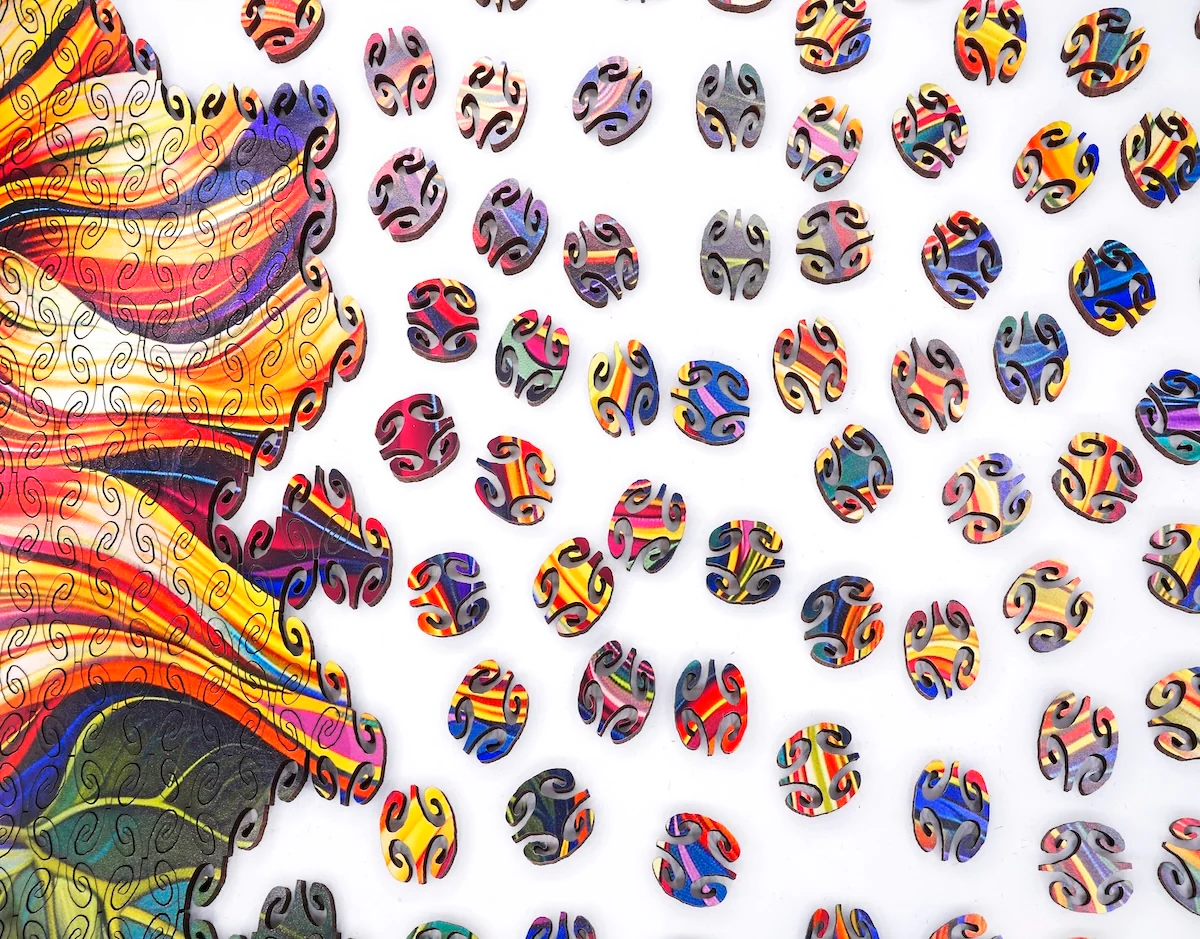
You don’t need to memorize the color wheel.
You do need to know this: a limited palette often looks more “professional” because it naturally harmonizes. Too many colors, especially in beginner hands, turns into visual noise fast.
If you remember nothing else, remember: mix more than you apply.
Make it social, but don’t make it performative
A weekly painting hang can be weirdly powerful. Not because it’s productive, but because it creates a low-stakes container: show up, make marks, talk a little, leave lighter.
I’ve seen this work best when the “event” is small and predictable. Thirty minutes. Same day. No pressure to finish anything.
Try a rotating structure (simple, not precious):
– One person picks the prompt (e.g., “paint something you ate this week”)
– The other picks background sound
– Two-minute share at the end: what surprised you?
That’s enough. Anything more and it starts feeling like homework.
One last thought (and I’ll stand by it)
If you’re using leisure time to disappear, you’ll come back unchanged.
If you’re using leisure time to return to yourself, even briefly, you’ll start noticing a quieter kind of strength building underneath your days. Painting sets aren’t magical, but they’re practical. They make the return easier. They keep the door unlocked.
And sometimes that’s the whole difference.